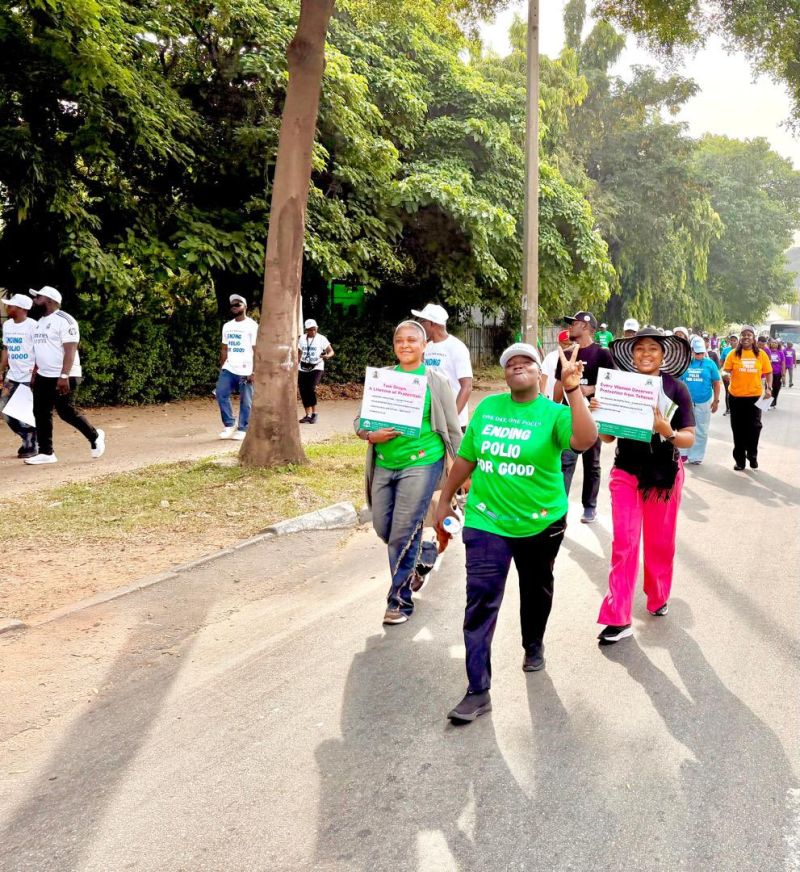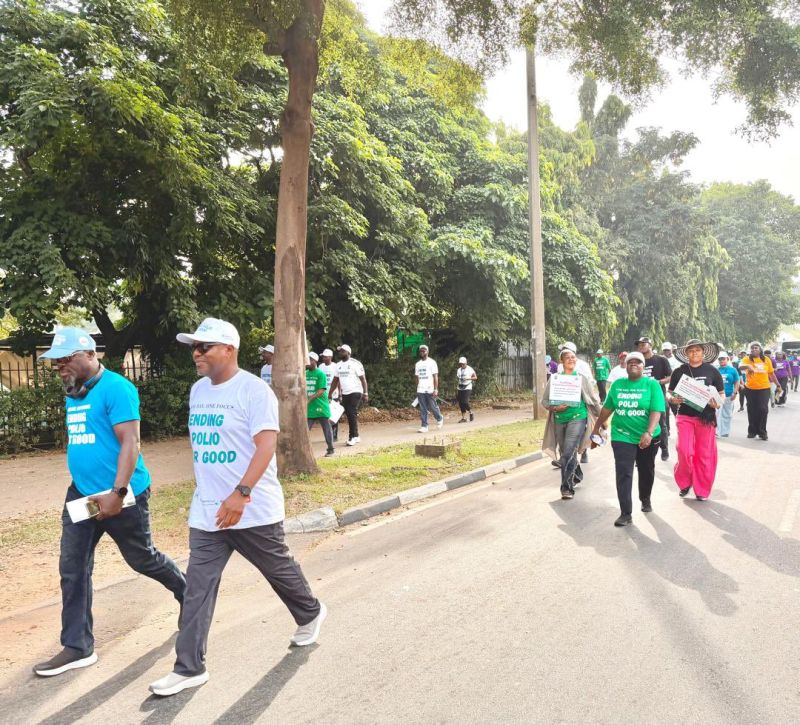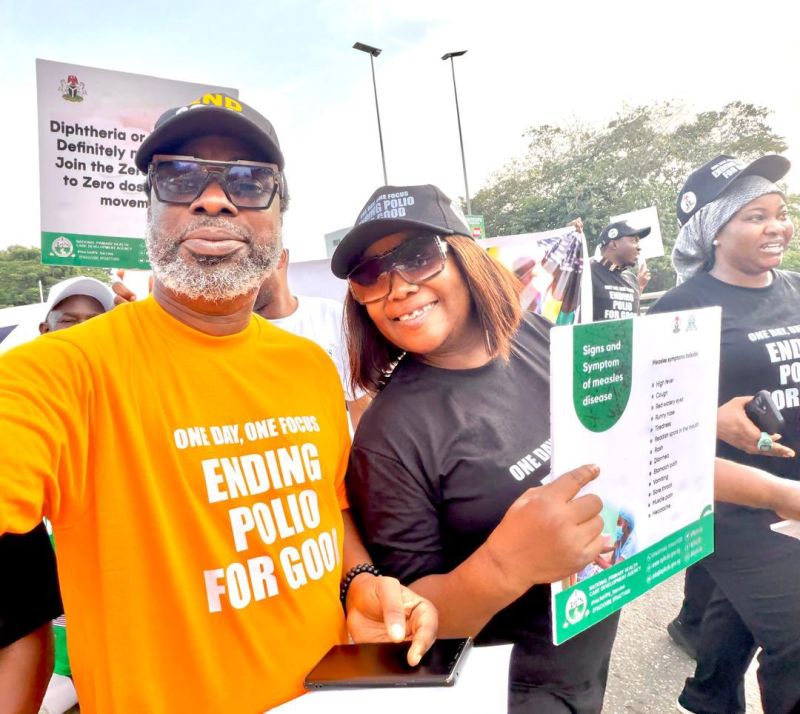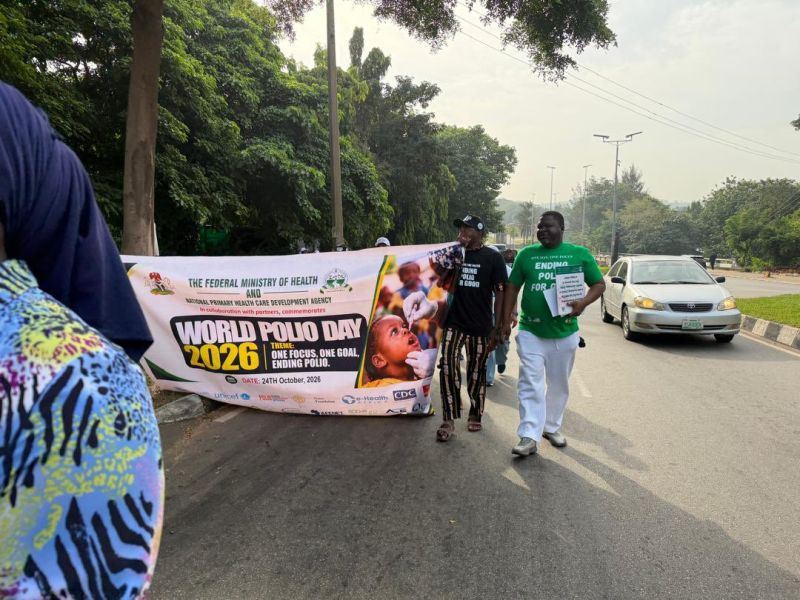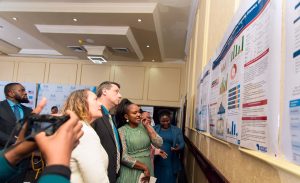


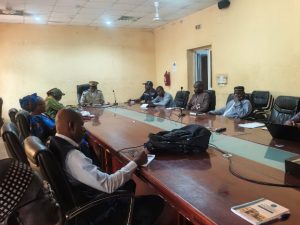
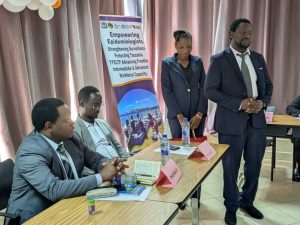



AFENET participated in World Polio Day 2026, organized by the National Polio Emergency Operations Center (NEOC) in collaboration with implementing partners.
This year’s theme, “One Day, One Focus, Ending Polio for Good,” calls for continued commitment and collective action to
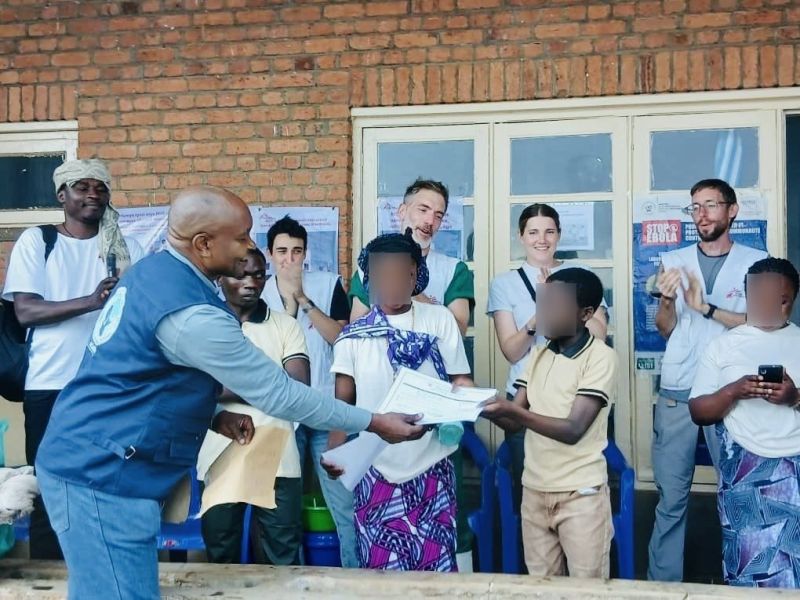
AFENET joined partners in supporting the discharge of two patients from the Ebola Treatment Centre (ETC) in North Kivu Province.
We don’t stop! Together, we strengthen the response and build healthier communities! 🤝🌍
#AFENET #PublicHealth #EbolaResponse #FieldEpidemiology
How can countries share data across borders without losing control of their own information?
At the @AfricaHTSummit, @lnguimfack explained to @EAMGtv how Africa CDC is answering that question.
Over the past 18 months, Africa CDC has worked with @_AfricanUnion Member States and
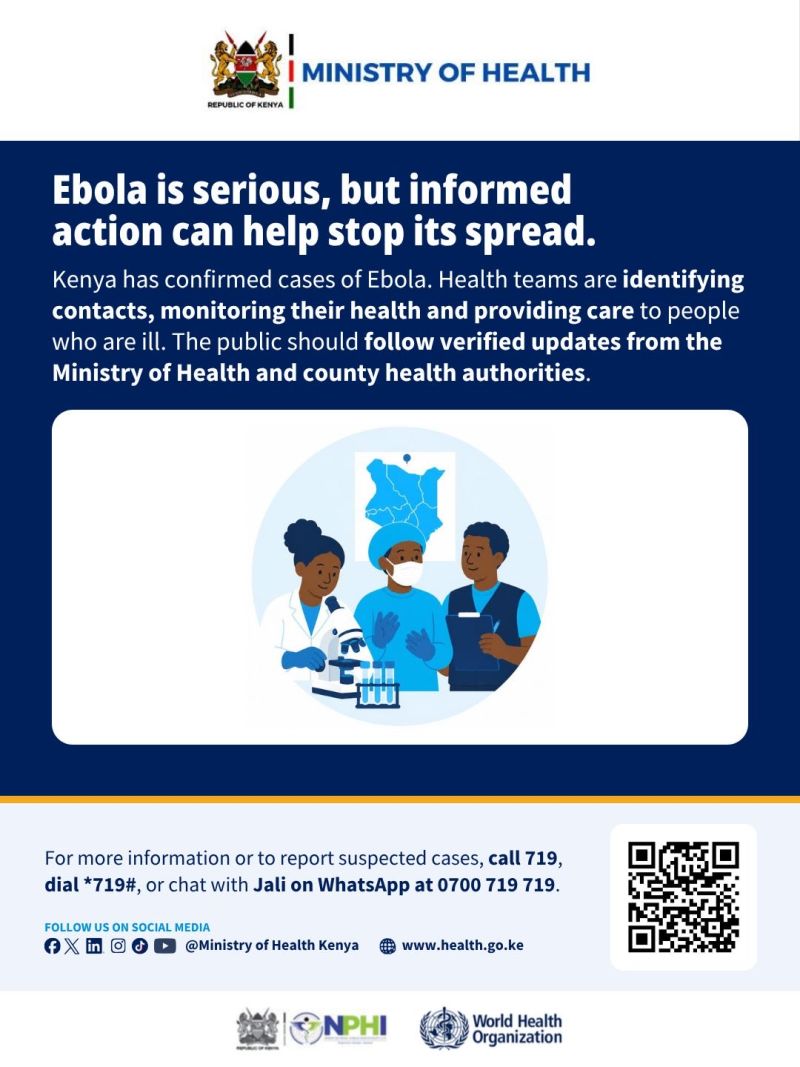
Stay informed and help stop the spread of Ebola. Follow verified Ministry of Health updates and report suspected cases by calling 719 or dialling *719#.
#EbolaAlertKE
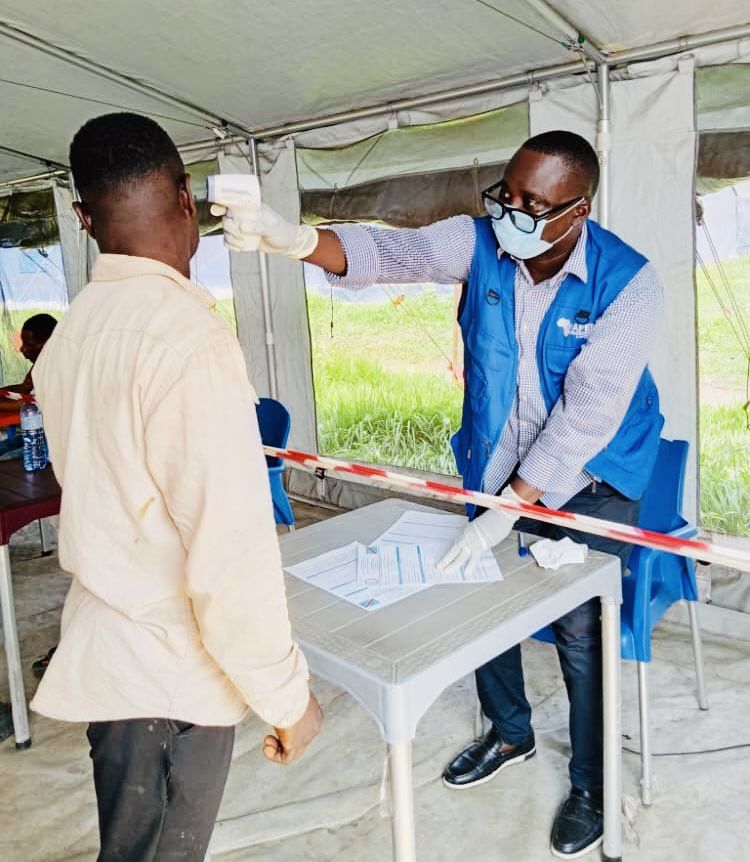
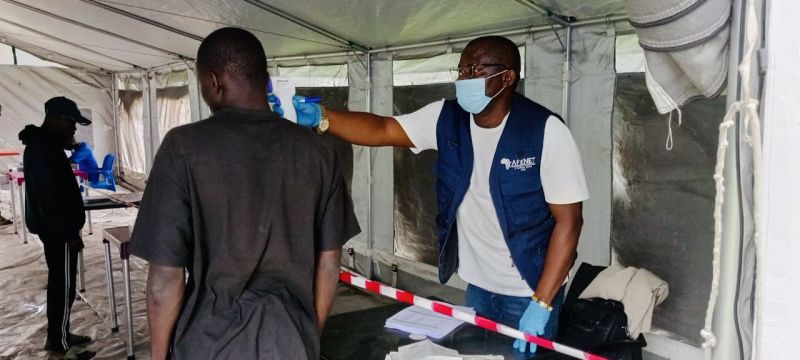
163 Days of Unwavering Vigilance: Maluku Border Screening Continues! 💪🏽🌍
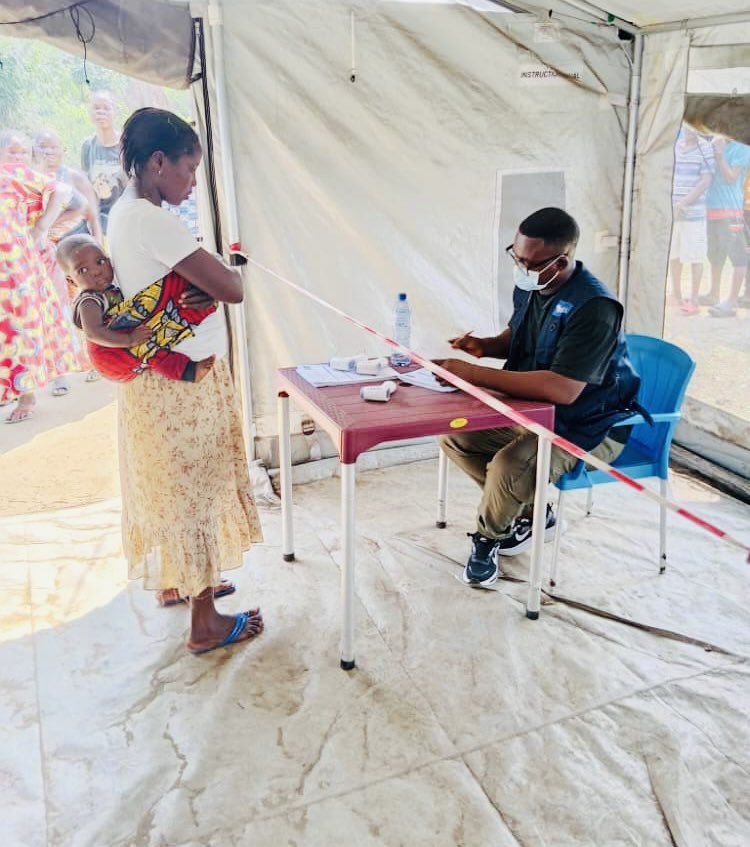
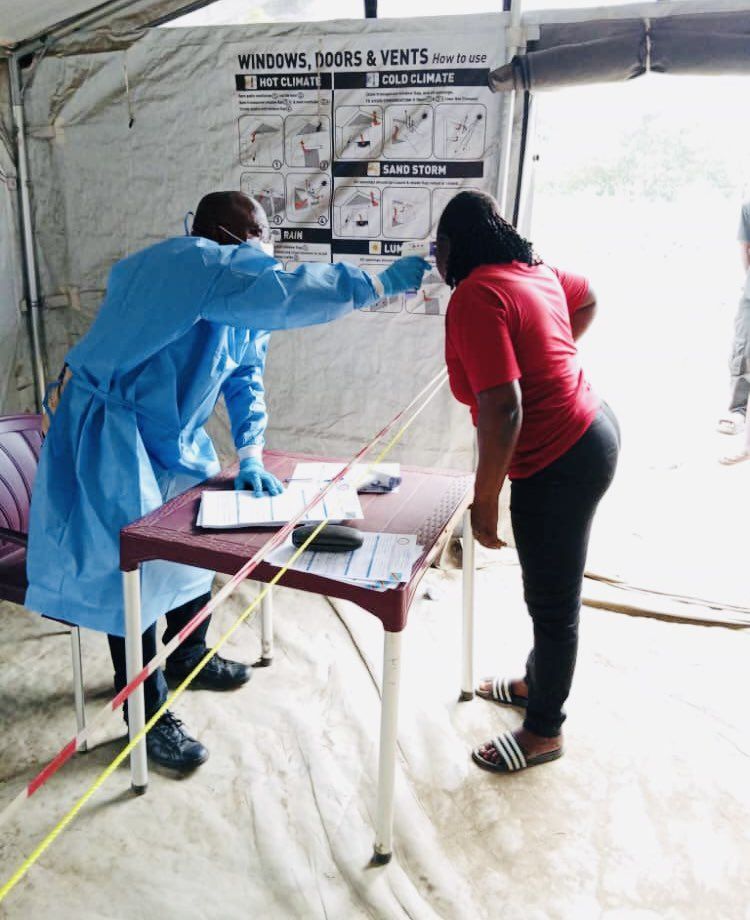
We don’t stop! On 24 October 2026, health teams continued screening travellers at the Bendebende Point of Control in Maluku 1 Health Zone, Kinshasa, arriving from Maï-Ndombe, Sankuru, Kwilu, and Équateur.
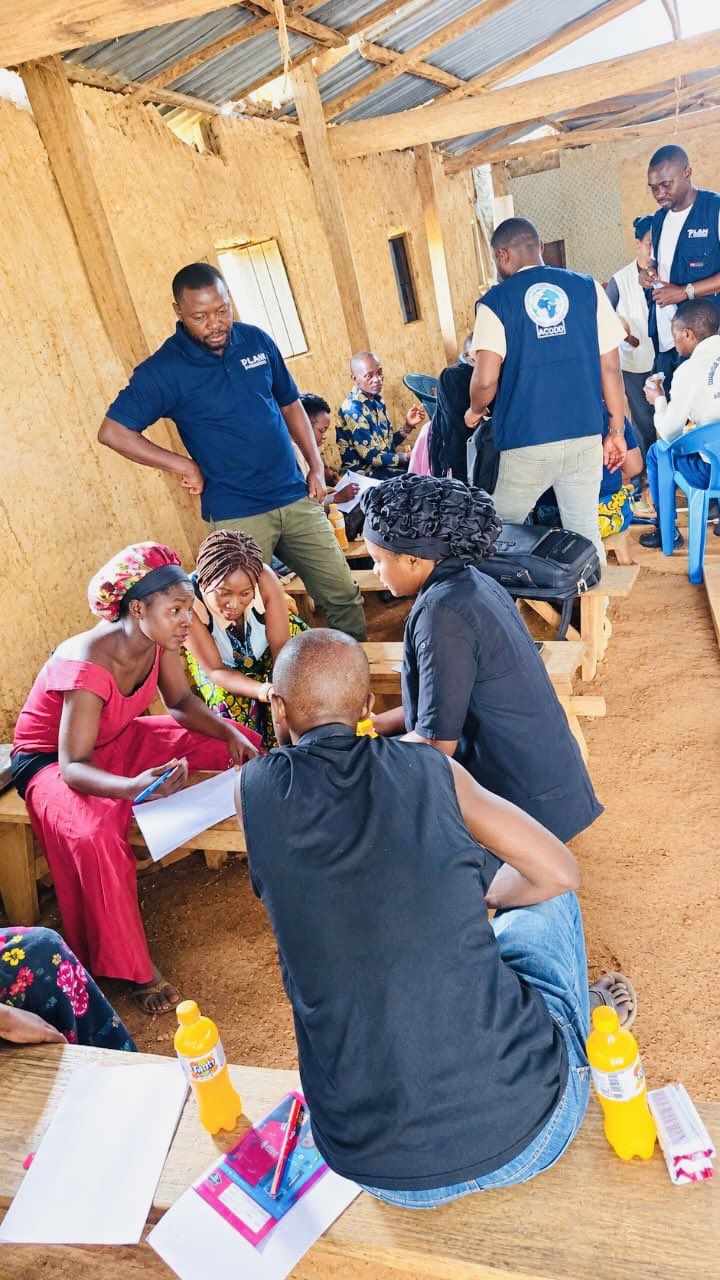
We don’t stop! 💪🏽 Strengthening community-based surveillance through training on the proper use of surveillance tools in Mongbwalu, Ituri. Together, we stay alert and protect communities!
#CommunityBasedSurveillance #PublicHealth #FieldEpidemiology